Partnerships for the Goals
As one of the United Nations Sustainable Development Goals, SDG 17 emphasises the importance of partnerships in achieving sustainable development.
This goal calls for collaboration among governments, academia, industry, and civil society to share knowledge, technologies, and resources, ensuring that progress toward sustainability is both equitable and enduring. Universities serve as key platforms for connecting diverse expertise and building global networks for action.
Guided by this global vision, Hokkaido University advances the SDGs through collaborative research, education, and partnerships across disciplines, sectors, and borders.
The University promotes global collaboration through its extensive network of partner institutions, international consortia, and joint research centres. It also works closely with local governments, industries, and communities to co-create solutions to regional and global challenges. By fostering dialogue, sharing knowledge, and cultivating next-generation leaders, Hokkaido University strengthens the partnerships that drive sustainable development from Hokkaido to the world.
Relationships to support the goals
17.2.1: Relationships with Regional NGOs and Government for SDG Policy
Overview (2024)
Hokkaido University promotes the Sustainable Development Goals (SDGs) through collaborative partnerships with regional NGOs and government bodies. By engaging in policy development, providing expert input, and implementing joint initiatives, the university contributes to shaping SDG-related policies at local, regional, and national levels. These efforts facilitate cross-sector dialogue, evidence-based recommendations, and practical actions that integrate sustainability into public policy and community development.
Key Initiatives
-
Comprehensive Partnership Agreement with Hokkaido Prefectural Government
Hokkaido University has maintained a comprehensive partnership agreement with the Hokkaido Prefectural Government, explicitly including SDG promotion. This framework supports cooperation in regional strategies, policy formulation, and education programmes, ensuring that sustainability principles are embedded in local governance and community efforts.
-
Participation in the Hokkaido SDGs Partnership Conference and Co-hosting of Public Seminars
Professor Makoto Demura, Specially Appointed Fellow at the Hokkaido University Institute for the Advancement of Sustainability, continuously participates in the Hokkaido SDGs Partnership Conference organised by the Hokkaido Prefectural Government. Learn more (External Site)
The conference serves as a platform for practitioners, organisations, and experts across Hokkaido to exchange opinions on regional SDG promotion.
Professor Demura provides expert advice on the implementation of the Hokkaido SDGs Vision, municipal support mechanisms, and the Hokkaido SDGs Future City Plan (2025-2027), contributing to the advancement of evidence-based regional SDG policy.
In addition, Hokkaido University co-hosted the SDGs × Hokkaido Seminar 2024 with Hokkaido Prefecture and JICA Hokkaido in January 2024. The free public event attracted more than 150 participants, enhancing public understanding and regional collaboration for SDG policy advancement.
-
In 2024, Hokkaido University published policy reports and held symposia addressing sustainable use of the Arctic, fostering dialogue among policymakers, industry, and local communities.
-
Collaboration with Local Governments and Environmental Organizations for Conservation Policy
The university collaborates with local governments, research institutions, and environmental organisations in formulating and implementing policies related to marine conservation, sustainable fisheries, and the protection of regional natural heritage such as wildlife in the Shiretoko area. Learn more (External Site)
Activities include providing expert advice, participating in advisory committees, and co-hosting public forums.
-
Participation in Regional and National Advisory Councils
Faculty members serve on advisory councils such as the Hokkaido Food Safety and Security Committee, the Hokkaido Environmental Impact Assessment Council, and the Sapporo City Environmental Council, contributing to the formulation and monitoring of policies on food safety, environmental protection, and disaster resilience.
Learn more (External Sites):
-
The Graduate School of Public Policy at Hokkaido University continues to conduct practical activities in which students propose policies directly to municipalities. In February 2024, students presented proposals to the Mayor of Kuriyama Town on promoting sustainable agriculture and supporting new farmers, based on on-site research and stakeholder interviews. In the same month, they submitted a report titled “The Shari Town Circulating Symbiotic Zone Model - Toward a Decarbonised and Connected Society” to the Shari Town Office.
-
Contribution to Low-Carbon Environmental Infrastructure and Policy Formation through Cold-Region City Partnerships
Hokkaido University collaborates with Sapporo City, Ulaanbaatar City, Mongolian government agencies, and private sectors to promote the introduction of decarbonised infrastructure suited for cold regions. The university supports the adoption of high-efficiency boilers, geothermal and solar systems, and low-carbon housing, developing energy transition models tailored to regional characteristics. At the 20th Winter Cities Mayors Conference, dialogues between the mayors of Sapporo and Ulaanbaatar contributed to SDG-oriented policy formation.
-
AJ-CORE Multilateral Research Collaboration
The university participates in the Africa-Japan Collaborative Research (AJ-CORE) programme, promoting joint research and policy development in sustainable resource management, health, and food security.
Learn more (External Site)
Impact
Through these ongoing initiatives, Hokkaido University continues to influence SDG-related policy development in Japan and abroad. The university’s evidence-based recommendations have contributed to government strategies in biodiversity, climate adaptation, food safety, and sustainable regional development. Its partnerships with NGOs and governments ensure that scientific knowledge and community needs inform policymaking, leading to practical, sustainable solutions and long-term impact across sectors.
17.2.2: Cross sectoral dialogue about SDGs
Overview (2024)
Hokkaido University promotes the Sustainable Development Goals (SDGs) through collaboration among academia, government, industry, and civil society. By engaging in continuous dialogue and joint initiatives, the university connects regional and global actors to foster inclusive, evidence-based approaches to sustainability.
Key Initiatives
-
Membership in the Future Earth Japan Committee
Hokkaido University is a member of the Future Earth Japan Committee, collaborating with universities, research institutes, companies, non-profit organisations (NPOs), and media partners. These cross-sectoral efforts promote dialogue and joint actions toward achieving the SDGs.
Learn more (External Site)
-
Promoting Food Safety and Security with Diverse Stakeholders
The university contributes to advancing food safety and security in the region. Faculty members serve as chairs or advisors of the “Sapporo City Committee for Promoting a Safe and Secure Food City” and the “Hokkaido Food Safety and Security Committee.” These forums bring together universities, local governments, cooperatives, non-profit groups, and businesses to discuss food policy, organic farming, and risk communication.
Learn more (External Site)
-
Symposium on Sustainable Food Production through Academia-Industry-Government Collaboration
In 2024, Hokkaido University organised the symposium “Building a Regenerative Agri-Fishery System for Sustainable Food Production and Global Well-being Based on Field Science,” supported by the Ministry of Education, Culture, Sports, Science and Technology (MEXT) and the Japan Society for the Promotion of Science (JSPS). Participants from primary industries, university-based ventures, municipalities, and research institutions discussed regenerative agriculture and fisheries, as well as strategies for developing sustainable food systems that contribute to global well-being.
-
Co-hosted by Hokkaido University, Hokkaido Prefecture, and JICA Hokkaido, this hybrid seminar (held at the Hokkaido University Conference Hall and online) brought together 154 participants from academia, government, business, and education. Under the theme “Living in Harmony with the Sea, People, and Fish,” the event featured a keynote lecture on sustainable fisheries, presentations by JICA volunteers, university students, and high school participants, and a panel discussion on promoting responsible marine resource use. The seminar fostered intergenerational and cross-sector dialogue on regional approaches to sustainability.
-
Hokkaido University serves as a core member of the UNU SDG-Universities Platform (SDG-UP), established by the United Nations University Institute for the Advanced Study of Sustainability (UNU-IAS). The university participates in several working groups, fostering dialogue among universities, government agencies, and related organisations. In 2024, Executive Director and Vice President Yokota delivered a lecture at the “SDG-UP Public Symposium,” addressing the role of university management in building a sustainable society.
-
Participation in the University Coalition for Carbon Neutrality
Hokkaido University is a member of the “University Coalition for Carbon Neutrality,” working with academia, industry, and municipalities to advance decarbonisation initiatives. An assistant to the president serves as the head of the International Collaboration Working Group, promoting joint activities among universities, research institutes, companies, and local governments.
Learn more (External Site)
Impact
Through these initiatives, Hokkaido University has strengthened cross-sector partnerships and contributed to frameworks that connect local action with global sustainability goals. Its participation in both the UNU SDG-Universities Platform and the University Coalition for Carbon Neutrality demonstrates the university’s commitment to dialogue, policy development, and knowledge-sharing that support SDG implementation.
17.2.3: International collaboration data gathering for SDG
Overview (2024)
Hokkaido University advances the United Nations Sustainable Development Goals (SDGs) through international collaborations on data gathering and measurement. These initiatives promote cross-border knowledge exchange and enhance collective capacity to address sustainability challenges.
Key Initiatives
-
International Universities Climate Alliance (IUCA)
Hokkaido University was a member of the International Universities Climate Alliance (IUCA), collaborating with leading institutions worldwide to collect and share climate-related data, build research networks, and promote collective action on climate change.
-
GEWEX 2024
English Website / Japanese Website
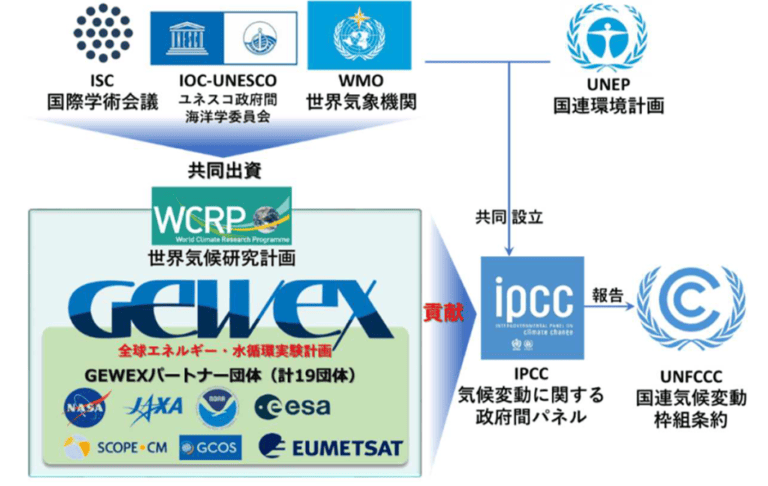
The Global Energy and Water EXchanges (GEWEX), one of the core projects of the World Climate Research Programme (WCRP), is an international research programme jointly funded by the International Science Council (ISC), the World Meteorological Organization (WMO), and the Intergovernmental Oceanographic Commission of UNESCO (IOC-UNESCO). GEWEX promotes research on the impacts of global climate change on the circulation of water and energy on a global scale.
The 9th GEWEX Open Science Conference (GEWEX-OSC 2024), an international scientific conference organised by GEWEX, was held in Sapporo, Japan, from July 8 to 12, 2024. This was the first time the conference had been held in Japan. It was organised by the International GEWEX Project Office and co-hosted by the Local Organising Committee, Hokkaido University, and the Science Council of Japan.
Professor Tomohito Yamada of the Faculty of Engineering, Hokkaido University, served as Committee Chair of the Local Organising Committee (LOC), overseeing the overall management of the event. With approximately 1,300 participants from 45 countries, this was the largest conference ever held in the history of GEWEX.
Recognising that developing mitigation and adaptation measures for global warming, as well as forecasting future climate change, are urgent issues that must be addressed globally, the conference was held under the theme “Water and Climate.” At the opening ceremony, congratulatory remarks were delivered by representatives of the host and co-hosting organisations, along with a message from Prime Minister Fumio Kishida at that time.
The conference featured presentations not only on satellite-based Earth observation and climate simulations, but also on fundamental physical processes such as clouds, precipitation, and surface energy exchange. In addition, a lot of researchers from around the world presented and discussed studies directly addressing societal challenges, including future water resource issues and the reduction of natural disaster risks.
Beyond academic sessions, a “Stakeholder Session”—introduced for the first time at this conference—brought together participants from government, academia, and industry for lively discussions on how scientific knowledge can be applied to society, demonstrating the session’s significant importance.
Sessions featuring Japanese ministries and agencies, including the Ministry of Land, Infrastructure, Transport and Tourism, the Ministry of Agriculture, Forestry and Fisheries, the Ministry of the Environment, the Japan Science and Technology Agency (JST), and the Japan International Cooperation Agency (JICA), covered topics such as flood risk assessment under climate change, development of agricultural production infrastructure, promotion of adaptation measures based on scientific knowledge, and international collaborative research with developing countries.
In sessions involving local governments and universities, active discussions were held on the assessment of flood risks associated with climate change and the processes toward societal implementation. Participants shared the recognition that understanding the complex processes of the water cycle and improving predictive technologies are essential.
Based on these discussions, Professor Tomohito Yamada, Committee Chairman of LOC, presented a summary of the inter-agency agreements at the closing ceremony, emphasizing the importance of formulating climate change adaptation policies grounded in both science and stakeholder dialogue.
Professor Peter van Oevelen, Director of IGPO and Professor at George Mason University, concluded by stating that “this conference enabled researchers and policymakers to communicate in the same language,” and commended it as an important turning point for the future of GEWEX activities.
Before, during, and after the conference, a variety of activities—including bicycle tours, technical tours in and around Sapporo and throughout Hokkaido, and a young researchers’ tour—were held, offering participants from around the world opportunities to experience the unique appeal of Hokkaido, the host region. These activities also provided valuable opportunities for networking and exchange, which became a notable feature of the conference.
Through this conference, Japan’s and Hokkaido’s approaches to science-based, risk-informed decision-making were communicated to the international community and received widespread recognition. This contributed to further strengthening collaboration between science and policy, enhancing Japan’s presence in international climate change adaptation strategies, and showcasing Hokkaido University’s contributions to climate change adaptation, disaster risk reduction, and the creation of a sustainable society.
GEWEX’s Position within the International Framework Connecting ISC/IOC-UNESCO/WMO, WCRP, IPCC, and UNFCCC
-
In collaboration with international partners such as the Bolivian Agricultural Technology Center (CETABOL), Hokkaido University collects agricultural data and supports the development of sustainable farming systems through the JICA (Japan International Cooperation Agency) Partnership Program.
-
Hokkaido University collaborated with the University of Tokyo, JAXA, the European Space Agency, and George Mason University to create a nationwide 10m-resolution forest carbon stock map integrating satellite and LiDAR data with machine learning. The dataset, publicly available via JAXA, supports sustainable forest management and climate action.
-
The “Hokkaido Study,” led by the Center for Environmental and Health Sciences, collaborates internationally to investigate the links between environment and child health from pregnancy onward, contributing to SDG3 and SDG17.
-
ArCS Ⅱ / ArCS Ⅲ Project
Hokkaido University served as the central institution of the Arctic Challenge for Sustainability Ⅱ (ArCS Ⅱ) project, which assessed the societal impacts of rapid Arctic environmental changes and provided scientific knowledge for international rule-making. Learn more (External Site)
The outcomes and activities will be continued under the Arctic Challenge for Sustainability Ⅲ (ArCS Ⅲ) starting in April 2025.
-
SATREPS Programme: Science and Technology Research Partnership for Sustainable Development
Hokkaido University promotes international collaborative research through the SATREPS Programme in countries such as Zambia, Chile, Thailand, Mongolia, and the Democratic Republic of Congo. Researchers from Japan and partner countries work together to develop practical scientific and technological solutions addressing local needs, including rice breeding, sustainable fisheries, bioresource utilisation, and infectious disease control.
Impact
Through these initiatives, Hokkaido University continues to strengthen its contribution to global SDG data ecosystems. Joint research, open data sharing, and international monitoring have supported science-based policy development at multiple scales. The university’s leadership in ecosystem observation, health-environment linkages, Arctic research, and sustainable technology highlights the importance of partnerships in advancing global sustainability.
17.2.4: Collaboration for SDG best practice
Overview (2024)
As an institution, Hokkaido University systematically advances international collaboration and research to develop comparative approaches and international best practices for achieving the Sustainable Development Goals (SDGs).
Hokkaido University promotes the SDGs through sustained international collaboration and comparative research. By developing and sharing best practices, the university strengthens partnerships that address sustainability challenges worldwide. These initiatives aim to enhance knowledge exchange, encourage innovation, and build capacity for effective SDG implementation across diverse regions and sectors.
Key Initiatives
-
International Collaboration in Arctic Research and Best Practice Formation
In February 2024, Hokkaido University held the 2nd HAI-FES International Workshop in hybrid format with about 50 participants mainly from Asia. The workshop focused on socially engaged Arctic research, addressing climate change impacts, the role of science diplomacy, and the importance of cultural context in decision-making. Discussions also covered national policy cases, collaboration with Indigenous peoples, and expansion of research networks.
-
HUFEC connects domestic and international partners, fostering interdisciplinary collaboration and sharing knowledge on sustainability. This platform strengthens the social impact of research and contributes to both national and global SDG progress.
-
SATREPS Programme: Science and Technology Research Partnership for Sustainable Development
Hokkaido University continues to engage in the SATREPS (Science and Technology Research Partnership for Sustainable Development) programme, jointly implemented by JICA and JST/AMED, conducting international joint research mainly in Asia and Africa. Research themes include the bio-circular green economy, sustainable fisheries and aquatic resource management, rice variety development through anther culture and citizen science, and infectious disease control. These projects integrate scientific knowledge with regional collaboration, sharing practical approaches internationally that address region-specific challenges.
-
International Collaborative Research on Environment and Child Health
Through the “Hokkaido Study,” the university participates in international consortia such as BiCCA, PACE, the Consortium on Thyroid and Pregnancy, and JBiCC. By comparing cross-national datasets, this research advances shared understanding and contributes to developing best practices for maternal and child health.
-
Participation in UNU SDG-Universities Platform (SDG-UP)
Hokkaido University participates in the UNU SDG-Universities Platform (SDG-UP) led by the United Nations University Institute for the Advanced Study of Sustainability (UNU-IAS). At the public SDG-UP symposium, Executive Vice President Atsushi Yokota introduced Hokkaido University’s sustainability framework, including the establishment of the Institute for the Promotion of Sustainability, the SDGs Promotion Headquarters, the HU Vision 2030, and faculty/staff development programmes. These initiatives share sustainable university models and contribute to shaping international best practices in higher-education sustainability.
-
Participation in Global Sustainable Development Congress (GSDC)
Hokkaido University participated in the Times Higher Education Global Sustainable Development Congress (GSDC) in 2023 and 2024. In 2024, Executive Vice President Atsushi Yokota represented Japanese universities and discussed learning opportunities rooted in natural environments and the importance of university-society collaboration. Through these global dialogues, the university contributes to developing effective models for education, research, and social engagement toward the SDGs.
Impact
Through these collaborative efforts, Hokkaido University contributes to the formation and dissemination of international best practices for SDG implementation. Continuous partnership building, capacity development, and knowledge exchange support evidence-based policy and innovation. By encouraging cross-sector dialogue and global cooperation, the university demonstrates leadership in advancing the SDGs through sustained international engagement.
17.2.5: Collaboration with NGOs for SDGs
Overview (2024)
In 2024, Hokkaido University worked with NGOs and public institutions to promote the Sustainable Development Goals (SDGs). Through collaborative research, educational resource sharing, and youth-centred projects, the university expanded research and learning opportunities while promoting awareness and regional collaboration toward a sustainable society.
Key Initiatives
-
Collaboration with the MOL Mauritius International Fund on the Blue Economy
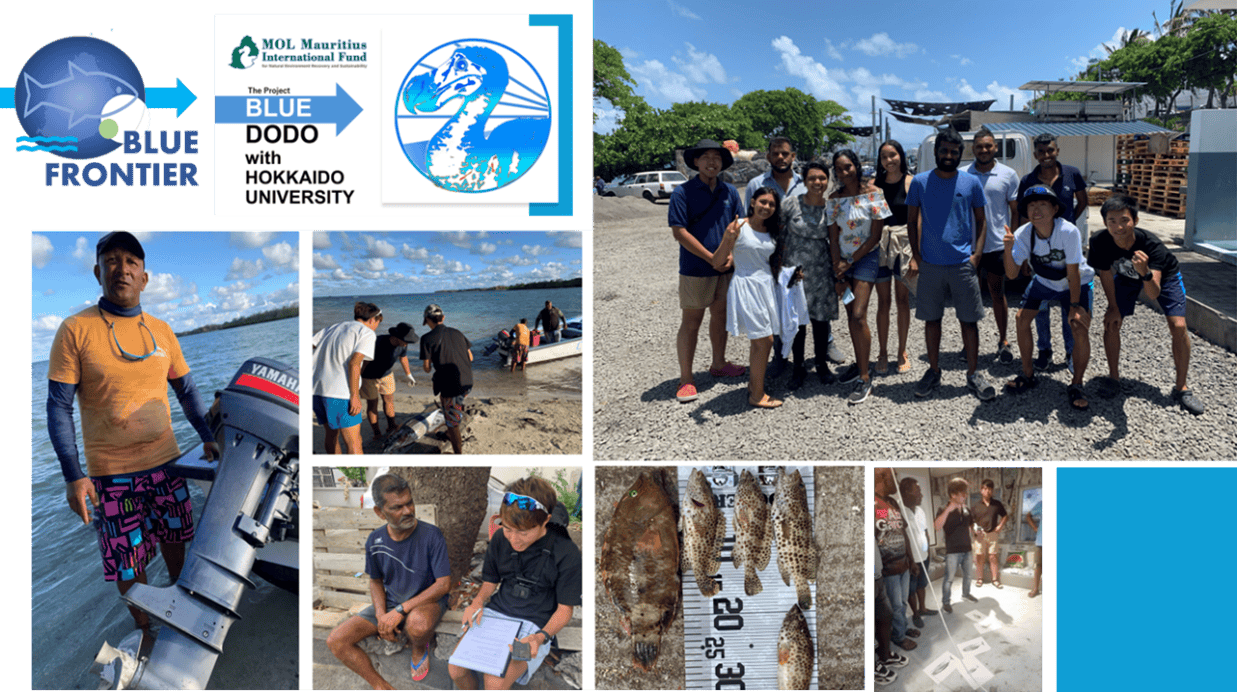
Hokkaido University, supported by the MOL Mauritius International Fund for Natural Environment Recovery and Sustainability in Japan, a non-profit international foundation established to promote environmental protection and community development, collaborates with the Government of Mauritius, local fishers, tourism sectors and educational stakeholders including members of secondary schools and faculty members of the University of Mauritius to promote educational and outreach activities that support marine ecosystem restoration and sustainable coastal resource management based on fisheries and aquatic sciences. Through the active participation of local communities and various generations, these efforts advance the formation of sustainable socio-economy based on a harmony with dynamic coastal environments and contribute to enhancing resilience to climate change.
Learn more (External Site)
Collaboration with the MOL Mauritius International Fund on the Blue Economy
-
Student-led Initiative: Hult Prize at Hokkaido University
The Hult Prize is one of the world’s largest social entrepreneurship competitions for students, organised by the Hult Prize Foundation. At Hokkaido University, the student-led Hult Prize Organising Committee hosts the annual Hult Prize OnCampus Programme at Hokkaido University.
The committee has successfully secured sponsorship and support from multiple companies based in Hokkaido. In the 2023–24 competition cycle, the committee collaborated with STARTUP HOKKAIDO, a public-private initiative for startup support in Hokkaido involving Hokkaido Prefectural Government, the Hokkaido Bureau of Economy, Trade and Industry, and the City of Sapporo. As part of this collaboration, the Hult Prize OnCampus Programme at Hokkaido University partnered with Hokkaido Innovation Week, an international conference organised by STARTUP HOKKAIDO.
In recognition of these efforts, the committee achieved outstanding success by being selected as the “2024 OnCampus Awards Program of the Year in Asia Pacific” in the global Hult Prize OnCampus Awards, ranking No.1 in the Asia Pacific region and Top 7 worldwide.
-
SDGs QUEST Mirai Koshien Hokkaido Tournament
In 2024, the Hokkaido Tournament of “SDGs QUEST Mirai Koshien” was organised under the leadership of Professor Demura, then Special Assistant to the President of Hokkaido University, in collaboration with corporations, municipalities, and NGOs. High school students proposed and presented ideas for addressing issues such as climate change, biodiversity, and gender equality. The initiative fostered youth participation and innovation through cooperation among diverse stakeholders.
-
Since FY2022, Hokkaido University has collaborated with the Rumoi District Bureau of Education, Hokkaido Office of Education, on a project in which high school students explore local issues related to the SDGs and zero carbon, and share their findings to promote understanding and behavioural change among local residents.
In FY2024, five high schools in the Rumoi area participated. The project began with an online kickoff meeting in May and a pre-workshop held at Hokkaido University in July, attended by 21 high school students and 4 teachers, as well as 4 staff members from the Rumoi District Bureau of Education and an advisor from the Hokkaido Institute for Educational Research.
Participants joined lectures and discussions led by university faculty members and graduate students on topics such as carbon neutrality, circular economy, and the application of origami engineering in science and technology. Through interactive dialogue and cross-school exchange, students deepened their understanding and are expected to compile their research results by the end of the academic year.
-
Collaboration with the Stranding Network Hokkaido
Hokkaido University partnered with the Stranding Network Hokkaido, a non-profit organisation that collects and provides information and specimens of stranded, bycaught, and drifted cetaceans. Using these resources, the university advanced research on marine ecosystems and biodiversity, sharing results as educational materials. This collaboration contributed to understanding human coexistence with marine ecosystems.
Learn more (External Site)
Impact
Collaboration with NGOs and public institutions expanded opportunities for SDG-related research, education, and youth participation. These partnerships strengthened links between academia and civil society, advancing sustainable regional development and awareness.
Publication of SDG reports
17.3.1~17.3.17: Publication of SDG reports
Hokkaido University is committed to advancing the United Nations Sustainable Development Goals (SDGs), and it publishes an annual report that outlines the progress made in achieving these goals. The report highlights the university’s efforts and outcomes in addressing the social, economic, and environmental challenges outlined by the SDGs. The university’s strategic and academic plans incorporate sustainability, reflecting its commitment to the SDGs.
The university's campuses are situated in locations that contribute to important sustainability discussions. The Sapporo campus is designated as a nature symbiosis site, underscoring the university’s close relationship with its natural environment. Furthermore, its collaborations with local communities and industries enhance its sustainability initiatives. This connection to nature offers a unique perspective that contributes to broader sustainability conversations.
Hokkaido University’s annual report clearly presents the results and progress of these efforts, emphasising the institution's commitment to building a sustainable future.
Education for the SDGs
17.4.1: Education for SDGs: commitment to meaningful education
Overview (2024)
Hokkaido University is committed to providing meaningful education on the Sustainable Development Goals (SDGs) for all students across the university. By embedding SDG-related content into compulsory and elective courses, as well as implementing distinctive programmes, international collaborations, and outreach activities, the university ensures that students gain a comprehensive understanding of sustainability and its applications in both academic and societal contexts. This approach equips graduates with the ability to address global challenges and to contribute actively to sustainable development.
Key Initiatives
-
All first-year undergraduate students take the compulsory course “Learning at Hokkaido University”, which introduces the SDGs and their relevance to the natural and social sciences. This foundational programme guarantees that every student acquires essential literacy on sustainability and global issues.
-
Hokkaido University has established a framework ensuring that all incoming undergraduate and graduate students engage with SDG-related general and common subjects. This system enables students, regardless of academic field or specialisation, to build foundational knowledge of sustainability and to apply SDG principles in their studies and research. Moreover, students are encouraged to select courses aligned with their own interests and the societal challenges they wish to address, fostering the development of autonomous problem-solving skills through diverse learning experiences.
-
The OGGs Programme is an international co-learning initiative designed for graduate students, created to foster leaders who will contribute to a sustainable society envisioned by the SDGs. In collaboration with partner universities in Asia and the northern regions, the programme provides opportunities to engage with global challenges through education, joint courses, and international exchanges, thereby broadening students’ perspectives and enhancing their capacity to take action.
-
Since 2016, Hokkaido University has continuously implemented the Hokkaido Summer Institute (HSI), which offers a wide range of courses and fieldwork related to the SDGs. In 2024, courses addressed issues such as sustainable environments, health, food resources, biodiversity conservation, and diversity. The programme featured active-learning classes and field exercises using Hokkaido’s natural settings. Conducted entirely in English, HSI welcomed international students and professionals, creating a platform for global learning. By integrating SDG-related topics into an open, international curriculum, HSI embodies the concept of meaningful education and contributes to cultivating globally competent human resources.
-
Hokkaido University advances meaningful SDG education for all students through LASBOS (Learning and Study by Balance de Ocean System), an open online platform that anyone can access.
Through LASBOS Moodle and LASBOS YouTube, multilingual courses link general education to advanced research in sustainability and marine science.
Freely available worldwide, LASBOS enables students and the public to learn about sustainability across disciplines, embodying the university’s commitment to inclusive and practical SDG education.
Impact
Through these comprehensive initiatives, Hokkaido University ensures that all students receive meaningful SDG education—either through compulsory classes, interdisciplinary programmes, or international collaborations. By embedding sustainability across the entire curriculum and offering opportunities that connect classroom learning with real-world challenges, the university nurtures a culture of responsibility and global citizenship. As a result, graduates are prepared to contribute to the achievement of the SDGs in their future careers and communities.
17.4.2: Education for SDGs: specific courses on sustainability
Overview (2024)
Hokkaido University provides a comprehensive framework for sustainability and SDG education across all levels—from undergraduate to graduate programmes—ensuring that every student develops the understanding and competencies necessary to contribute to a sustainable society. Through compulsory foundational courses, interdisciplinary and international programmes, and partnerships with industry, the university integrates sustainability into both academic learning and practical experience.
Key Initiatives
-
All first-year undergraduates (approximately 2,500 annually) take the compulsory course Learning at Hokkaido University, which introduces the SDGs and explores their connections to the natural and social sciences.
Graduate students take the common course Learning at Graduate School, which covers SDGs and diversity while promoting interdisciplinary thinking as a foundation for advanced studies.
-
Designed for second-year and higher undergraduates, this course deepens understanding of the SDGs from a global perspective. It addresses the 2030 Agenda and the transition from the MDGs, combining lectures with interactive and practical exercises.
-
The Hokkaido Summer Institute offers over 100 intensive courses each year, many of which focus on sustainability and the SDGs. Conducted in English, HSI combines lectures, active learning, and fieldwork involving both Hokkaido University and international students, fostering global perspectives and practical problem-solving skills.
-
In partnership with external companies, the university has introduced a global sustainability video learning platform. This system provides access to worldwide resources on sustainability topics, enabling students and staff to pursue continuous learning and professional development.
-
This cross-disciplinary graduate program integrates sustainability into education and research across faculties. Through collaboration with partner universities and institutions worldwide, OGGs develops leaders who can contribute to sustainable societies envisioned by the SDGs through joint education, research, and international exchange.
-
At the Graduate School of Environmental Science, the EPEES programme offers specialised courses such as Climate Change Impact Studies. It aims to cultivate individuals with strong field research skills, an appreciation for diversity, and the ability to take initiative in addressing environmental challenges—training future leaders who can promote effective climate change mitigation.
-
Since 2022, SDG perspectives have been embedded into undergraduate and graduate curricula across all faculties. Courses have been reviewed using an “SDGs filter” to align disciplinary education with sustainability principles and strengthen coherence across programmes.
Impact
Through these initiatives, Hokkaido University ensures that all students receive meaningful and comprehensive SDG education. By embedding sustainability across its curricula and fostering opportunities that connect academic learning with global and local challenges, the university cultivates responsible, globally minded graduates equipped to contribute to sustainable development in their future careers and communities.
17.4.3: Education for SDGs in the wider community
Overview (2024)
Hokkaido University is committed to advancing sustainable development by providing outreach educational activities for the wider community. These activities are designed so that anyone, from anywhere, can participate. Through a diverse range of programmes, seminars, and collaborative events, the university fosters sustainability literacy and encourages broad participation in the achievement of the Sustainable Development Goals (SDGs). These initiatives highlight the importance of partnerships with alumni, local communities, and diverse stakeholders in ensuring that sustainability education is widely accessible across society.
Key Initiatives
-
In collaboration with STV Sapporo Television Broadcasting, Hokkaido University hosted the “Hokkaido University × STV SDGs Day 2024.” This one-day event offered free lectures, workshops, and exhibitions on topics such as cutting-edge dinosaur research, fossils, minerals, and plants. Approximately 550 participants, ranging from children to adults, engaged with authentic fossils and replicas, and explored the trees on the Sapporo campus while learning about climate change and sustainability in an interactive and enjoyable way.
-
The Hokkaido University Alumni Association continues to organise public forums on SDG-related themes that are open to all members of society. In 2024, the 18th forum focused on “Children’s Health and Diet,” co-hosted with government agencies, municipalities, NGOs, and private companies. The event was free for all participants, offering opportunities to learn about the importance of food and agriculture. In addition, specially prepared rice balls created by Soai University students were distributed free of charge, fostering cross-generational and cross-sector exchange.
-
Hokkaido University, in collaboration with Hokkaido Prefecture and Sapporo City, organised “Science Festa 2024.” The event brought together enterprises, NGOs, foundations, educational institutions, and local governments as co-creation partners. Doctoral students presented their research on cutting-edge approaches to the SDGs, while children participating in the “SDGs Junior Doctor Training Project” showcased their achievements. The programme also featured interactive workshops that stimulated all five senses. Participants from elementary school students to adults engaged in experiencing and co-creating a “sustainable future” in daily life.
-
As part of its Summer Institute, Hokkaido University offered the course “Introduction to International SDGs” in 2024. Delivered in collaboration with JICA and the International Tropical Timber Organization (ITTO), the course was open to both students and professionals in a hybrid format. It provided a flexible, practice-oriented opportunity to link academic knowledge with real-world implementation of the SDGs.
Impact
Through these outreach initiatives, Hokkaido University has significantly strengthened sustainability literacy and widened community engagement. Alumni, local residents, and displaced groups were provided with inclusive educational opportunities, while partnerships with local governments, NGOs, and international organisations have supported knowledge-sharing and best practices. By offering public access to evidence-based SDG education, Hokkaido University demonstrates leadership in advancing the SDGs and fostering resilient, informed communities.
17.4.4: Sustainability Literacy
All first-year undergraduate students at Hokkaido University (approximately 2,500 in total) take the compulsory introductory course “Learning at Hokkaido University”, offered in an on-demand format. The course covers eight key themes, including the history and present situation of the university, study skills, career development, and respect for diversity. For each session, students are required to either pass a short quiz or submit a report by the designated deadline, allowing their level of understanding to be evaluated. In the seventh session, students learn about the Sustainable Development Goals (SDGs) and explore how these global issues relate to both the social and natural sciences. Through this programme, Hokkaido University fosters and assesses students’ understanding of sustainability and their learning literacy.
University-wide Context for Education for SDGs
Founded in 1876 as Sapporo Agricultural College and renamed Hokkaido University in 1947, Hokkaido University is a comprehensive university with 12 undergraduate schools, 21 graduate schools, and 28 research institutes/centres. With approximately 18,000 students from 99 countries and regions and about 2,000 academics, the university has the scale and academic diversity needed to provide sustainability education across disciplines and at all levels. Its two campuses in Hokkaido—the 1.8-square-kilometre main campus in Sapporo, Japan’s fifth-largest city, and another in Hakodate—also support a wide range of educational and research activities. These strengths make it possible for Hokkaido University to deliver broad, meaningful, and internationally connected education on sustainability and the Sustainable Development Goals (SDGs).
These strengths also enable Hokkaido University to offer a wide range of officially recognised degrees related to environmental sustainability, including the degree of Master of Engineering in the field of Engineering and Policy for Sustainable Environment at the Graduate School of Engineering.