Zero Hunger
As one of the United Nations Sustainable Development Goals, SDG 2 seeks to end hunger, ensure food security and improved nutrition, and foster sustainable agriculture.
This theme highlights universities’ role in advancing research on hunger, education on food sustainability, and actions to reduce food waste and alleviate hunger among students and local communities.
Guided by this global goal, Hokkaido University contributes to building a world free from hunger through research, education, and community engagement. The University promotes food security and sustainable agriculture both in Hokkaido and around the world, drawing on its long-standing strengths in agricultural and environmental sciences.
Campus food waste
2.2.1: Campus food waste tracking
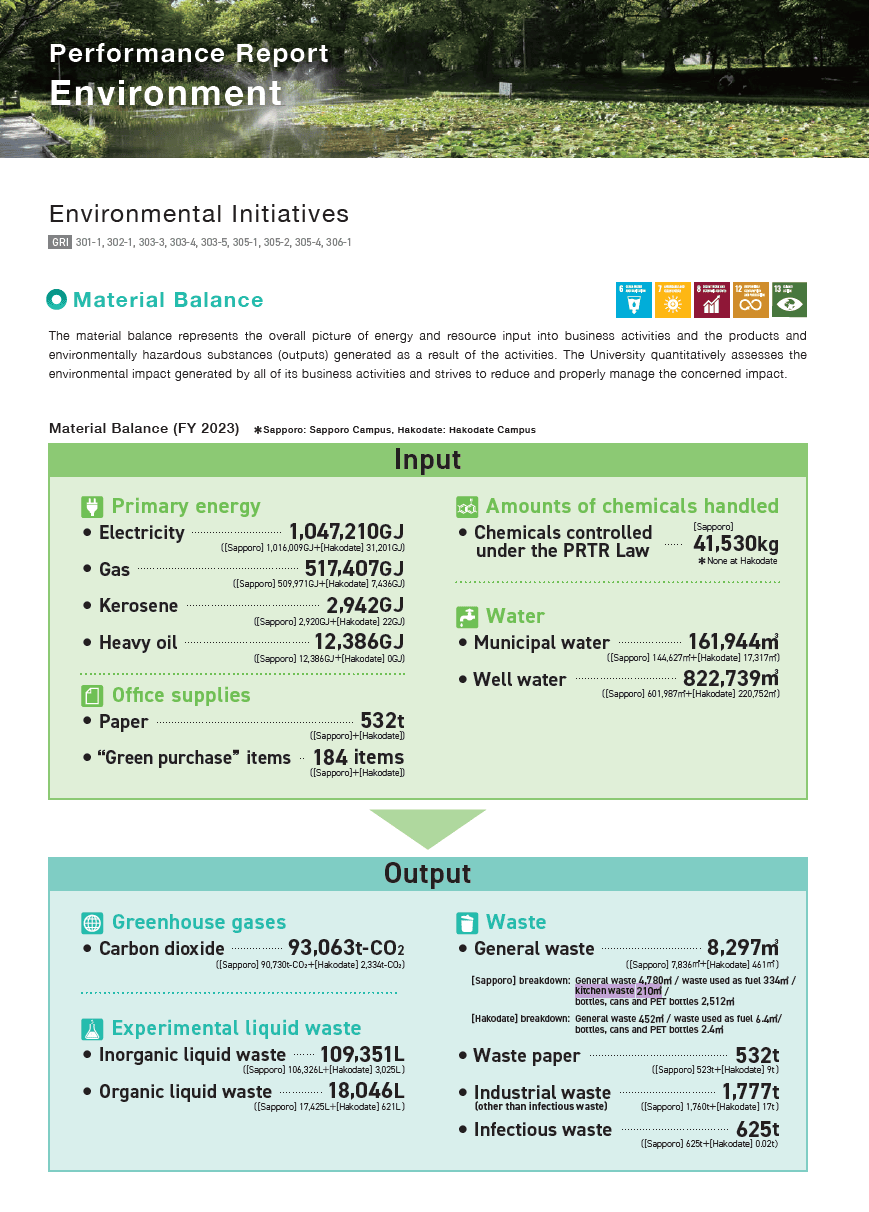
Hokkaido University systematically measures the amount of food waste generated across its campuses.
Student Hunger
2.3.1: Student food insecurity and hunger
Overview (2024)
Hokkaido University established a set of programmes to help students maintain reliable access to adequate food. These programmes combined daily support, emergency preparedness, and community collaboration to ensure that all students could access nutritious meals and essential resources. By collaborating with local partners and leveraging university resources, the institution fostered a healthy learning environment, helped improve students’ access to reliable food, and promoted student well-being across the campus community.
Key Initiatives
-
The Hokkaido University CO-OP offered a Meal Plan, which allowed students to prepay for meals at campus cafeterias throughout the year. The plan ensured students had reliable access to nutritious and affordable meals without the stress of daily budgeting. It supported both students living alone and those commuting from home. Meal Plan users could enjoy a wide variety of menus, including daily specials and seasonal fairs, and could adjust their choices based on appetite and dietary needs. Unused days during long breaks were accounted for, providing flexibility and good value. Parents also benefited from the reassurance that their children were maintaining healthy eating habits, as usage history could be monitored. Overall, the Meal Plan supported healthy routines, eased concerns about daily meals, and contributed to student well-being.
-
100-Yen Breakfast Programmes
Hokkaido University implemented multiple “100-yen Breakfast” initiatives to promote student health and reduce financial stress.
The Elm Alumni Association has continued to offer a “100-yen Breakfast”
programme, designed to provide students with affordable, nutritious meals at the start of their day.
-
Separately, the Hokkaido University CO-OP organised its own limited “100-yen Breakfast”
campaign at the North Cafeteria. Conducted for a 30-day period, this initiative provided daily set breakfasts to student union members, limited to 50 portions per
day on a first-come basis.
Together, these initiatives reflected a strong institutional and community commitment to supporting students’ dietary needs and encouraged healthy morning routines.
-
The Hokkaido University CO-OP, in collaboration with Campus Support Co., Ltd., which serves as the planning and operating company, has organised the “100-yen Dinner” initiative. This programme provides nutritious dinners for just ¥100, easing financial stress and encouraging healthy dietary habits.
-
Since April 2018, Hokkaido University has maintained a Collaboration Agreement for Regional Creation with Secoma Company Limited, a locally rooted company headquartered in Sapporo, Hokkaido. Secoma operates the “Seicomart Hokkaido University Store” on the Sapporo Campus. The company values the blessings of Hokkaido’s rich natural environment—its sea and land—and sources ingredients from local producers, processing and preparing them near the place of origin to preserve their freshness. Through its extensive distribution network across Hokkaido, Secoma delivers authentic local flavours to each store.
Under this partnership, Hokkaido University and Secoma have continuously worked together to support students’ access to affordable and nutritious food on campus, while promoting initiatives related to food quality, safety, and community engagement, contributing to a sustainable and supportive campus food environment.
-
The Hokkaido University CO-OP, which works closely with Hokkaido University as part of the campus community, collaborates with the student volunteer group “Hokudai Food Bank.” Through this partnership, the CO-OP provides surplus food items—such as unsold rice balls and bread—to children’s centres in Sapporo free of charge. This initiative contributes to reducing food loss on campus and supporting local food assistance efforts.
Impact
Through these structured meal-support initiatives and sustained forms of assistance, Hokkaido University has helped students maintain stable access to adequate and nutritious food on campus. The university’s approach has ensured that students in need receive timely support, which fosters a sense of community and well-being. By offering both immediate and longer-term meal support, Hokkaido University has demonstrated its commitment to student welfare and the promotion of zero hunger within the academic environment.
2.3.2: Students hunger interventions
Overview (2024)
Hokkaido University recognises that difficulties in maintaining reliable access to food directly affect academic performance and well-being. To address these challenges, the university implements a range of support measures that combine sustainable dining infrastructure, affordable meal programmes, emergency preparedness, and channels for student feedback. These initiatives ensure continuous access to nutritious food while reducing waste and promoting community resilience.
Key Initiatives
-
The university maintained multiple dining facilities across campus, offering affordable menus with locally sourced ingredients. These measures supported student health and success, while minimising environmental impact through sustainable procurement and waste reduction practices.
-
The Hokkaido University CO-OP provided a prepaid Meal Plan that guaranteed reliable access to nutritious meals without daily budgeting stress. It supported diverse dietary needs and eased concerns about daily meals while reassuring families with transparent usage monitoring.
-
100-Yen Breakfast Programmes
Through the Hokkaido University Elm Alumni Association and the Hokkaido University CO-OP, 100-yen Breakfast initiatives provided nutritious morning meals at a highly subsidised cost. These initiatives encouraged healthy routines, reduced financial stress, and strengthened institutional commitment to student welfare.
-
In collaboration with Campus Support Co., Ltd., the Hokkaido University CO-OP provided evening meals for just 100 yen. This ensured that students had access to balanced nutrition at low cost, supporting students during critical study hours.
-
Since April 2018, Hokkaido University has maintained a Collaboration Agreement for Regional Creation with Secoma Company Limited, a locally rooted company headquartered in Sapporo, Hokkaido. Secoma operates the “Seicomart Hokkaido University Store” on the Sapporo Campus. The company values the blessings of Hokkaido’s rich natural environment—its sea and land—and sources ingredients from local producers, processing and preparing them near the place of origin to preserve their freshness. Through its extensive distribution network across Hokkaido, Secoma delivers authentic local flavours to each store.
Under this partnership, Hokkaido University and Secoma have continuously worked together to support students’ access to affordable and nutritious campus dining, while promoting initiatives related to food quality, safety, and community engagement, contributing to a sustainable and supportive campus food environment.
-
At each Hokkaido University CO-OP store, suggestion boxes titled “Voice of Members” allowed students to submit requests regarding food and essential items. Responses were posted publicly, ensuring that student needs were acknowledged and acted upon, thereby strengthening transparency in food-related responses.
Impact
By integrating sustainable dining, practical support measures such as 100-yen meals, emergency preparedness, and active feedback systems, Hokkaido University built a strong safety net against difficulties in maintaining reliable access to food. These programmes not only addressed immediate nutritional needs but also contributed to long-term community resilience and sustainability.
2.3.3: Sustainable food choices on campus
Overview (2024)
Hokkaido University is committed to providing sustainable food choices for all members of the campus community, including vegetarian and meat-free options. Through partnerships with local producers and campus-led initiatives, the university ensures that healthy, affordable, and environmentally responsible campus dining is accessible. This approach goes beyond standard dining services to include cultural diversity, resource circulation, and educational opportunities that encourage environmentally conscious food practices.
Key Initiatives
-
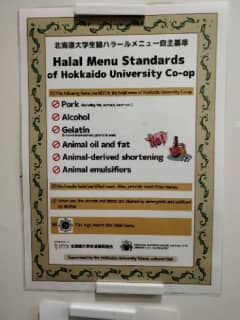
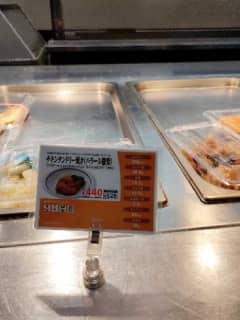
The university operates a Halal food programme through cooperative cafeterias, offering certified Halal meals such as Halal curry and tandoori chicken. A dedicated Halal corner at the Central Cafeteria is available on weekdays (11:00–14:00), ensuring that Muslim students can enjoy affordable meals aligned with their dietary practices without the need to cook for themselves.
-
Campus food services have introduced plant-based alternatives, including meat-free dishes and artificial meat options. At the Museum-Cafe Polus, the Nepali Beans-Curry (non-meat) is served, reflecting the university’s commitment to responsible dining and dietary diversity.
-
The Kitamite Garden SDGs Farm Project is a collaborative initiative involving the Institute for the Advancement of Sustainability, the Organizing Committee for Hokkaido Marathon, and student volunteer groups such as Kitamite Garden. Using compost made from fallen leaves collected on campus, the project promotes resource circulation while engaging students, faculty, and the local community. Vegetables grown in the University Museum courtyard farm are used at Hokkaido Marathon exchange events and the museum’s restaurant, offering fresh, nutritious, and locally sourced food.
-
Since April 2018, Hokkaido University has maintained a Collaboration Agreement for Regional Creation with Secoma Company Limited, a locally rooted company headquartered in Sapporo, Hokkaido. Secoma operates the “Seicomart Hokkaido University Store” on the Sapporo Campus and prioritises the use of local ingredients by sourcing directly from local producers and processing them near the place of origin to preserve freshness and reduce environmental impact.
Through this partnership, the university ensures that members of the campus community have access to affordable, nutritious, and locally sourced food. The collaboration also promotes food quality, safety, and regional cooperation, thereby fostering a sustainable and supportive campus food environment.
-
In collaboration with the Office of Ainu Relations and Initiatives, the university hosts food fairs that highlight Indigenous food culture rooted in local ecosystems. These limited-time events introduce traditional Ainu dietary practices to the campus community, strengthening cultural understanding while showcasing traditional foodways passed down through generations. Furthermore, the initiatives contribute to the preservation of traditional local crops and reinforce the foundation for responsible local production.
-
The university maintains a network of several cafeterias and multiple convenience stores, some operating 24 hours. Cooperative food services prioritise local Hokkaido produce, ensuring fresh and high-quality ingredients while supporting the regional economy. Through partnerships with local companies, the campus also serves sustainably produced Hokudai Tankaku beef and dairy products from the university’s own stock farm. In addition, by emphasising local production for local consumption,
the university minimises the need for chemical additives used for long-term storage in distribution, thereby providing fresh and healthy meals that support the sustainability and well-being of students and staff.
Learn more: Hokudai Tankaku beef (External Site)
Impact
These initiatives foster an inclusive campus environment where all members have access to nutritious, affordable, and environmentally responsible meals. The programmes continue to support diverse dietary requirements—including religious, cultural, and meat-free dietary needs—while contributing to local economic development. Through the SDGs Farm and indigenous food initiatives, the university integrates education, cultural recognition, and responsible campus dining practices, demonstrating the role of institutional food services in advancing broader sustainability goals.
2.3.4: Healthy and affordable food choices
Overview (2024)
Hokkaido University is committed to providing healthy and affordable food choices for all members of the campus community. By leveraging local Hokkaido agricultural products and implementing food service programmes, the university ensures that nutritious, diverse, and cost-effective meals are accessible to students, faculty, staff, and local residents. Our approach emphasises sustainability, nutrition education, cultural inclusivity, and community engagement through dining options that address various dietary needs and cultural preferences. Long-term student-led initiatives such as the Hokudai Marche, launched in 2009, also foster connections between food production and consumption.
Key Initiatives
-
Hokkaido University CO-OP implements strict quality standards and provides nutritional balance scoring on receipts with meal card systems that allow users to track their nutritional intake online. Registered nutritionists create affordable, nutrient-rich menus, ensuring balanced meals that support health and academic performance.
-
The university offers various meal card plans tailored to different lifestyle patterns and eating habits, providing affordable dining options that accommodate diverse student needs and budgets.
-
In collaboration with Hokkaido University Alumni Association, the university provided breakfast sets to new students for only 100 yen, promoting regular eating habits and supporting student welfare during their transition to university life.
-
The Experimental Farm of Hokkaido University produces and processes rice, crops, and livestock products that are sold to faculty and staff at prices below market rates. In addition, the programme includes the annual sale of apples grown at the Hokkaido University Yoichi Orchard. These apples, cultivated with safe and sustainable farming methods, are offered at affordable prices not only to campus members but also to local residents. This initiative ensures access to high-quality, locally produced nutritious food while supporting both community engagement and campus sustainability.
-
This café offers menu items made with fresh milk produced on the university’s own farm. By using safe and locally grown ingredients from the campus, students and visitors can enjoy healthy and affordable meals in their daily lives, while also supporting the hands-on activities of the university’s agricultural programme.
-
In collaboration between the Office of Ainu Relations and Initiatives and the Hokkaido University CO-OP, the university annually hosts a fair featuring the sustainable food culture of the Ainu people. This initiative provides authentic cultural food experiences while honouring indigenous traditions and promoting cultural understanding among all campus members.
-
Since 2009, Hokkaido University has organised the student-led “Hokudai Marche,” creating a space for producers and consumers to interact while delivering fresh and reliable agricultural products to the local community. In 2021, this evolved into the “Hokudai Marche Award,” recognising individuals and groups pioneering future agriculture and food-making. In 2024, the Marche and Award were held together under the theme “Building Bridges Between Producers and Consumers,” expanding nutritious and sustainable dining options. Both initiatives are conducted as part of the Inter-Graduate School Classes (postgraduate common subjects) at the university.
Impact
These initiatives help create an inclusive dining environment where nutritious, reasonably priced meals are available to all members of the campus community across campus facilities and community events. Access to nutritious meals is ensured regardless of economic background or cultural heritage. The integration of local agricultural products supports both campus sustainability and the local economy while providing fresh, high-quality ingredients. Community engagement through direct sales, food festivals, and cultural events fosters a sense of belonging and promotes food literacy. The joint Hokudai Marche and Marche Award in 2024 further expanded opportunities for sustainable and nutritious dining choices, contributing to wellness and academic success.
2.3.5: Staff hunger interventions
Overview (2024)
Hokkaido University was dedicated to supporting both reliable access to adequate food and the well-being of staff and students through practical support measures. By collaborating with the Hokkaido University CO-OP, maintaining a strong disaster response system, and implementing international cooperation programmes, the university ensured access to nutritious food and developed sustainable practices that helped staff maintain stable access to food. These efforts improved access to food and promoted resilience within the university community.
Key Initiatives
-
The university provided a comprehensive meal plan that enabled staff and students to access balanced, affordable meals. The plan included cafeteria-based set menus, discounted seasonal options, allergy- and health-conscious accommodations, as well as halal and vegetarian menu options to support diverse dietary preferences. This ensured that all community members maintained balanced diets regardless of their economic circumstances.
-
Hokkaido University had a formal outsourcing agreement with the CO-OP to strengthen welfare services for both staff and students. Through this partnership, the CO-OP offered reasonably priced, high-quality meals, food products, and services, including cafeteria operations and food purchasing support, supporting reliable access to food for staff.
-
The university maintained a wide food supply network with several cafeterias and multiple convenience stores, some operating 24 hours to meet diverse schedules. The CO-OP food service emphasised local agricultural products to guarantee fresh and high-quality ingredients while also supporting the regional economy. Specialty items such as Hokkaido Shorthorn beef were also offered to reinforce connections with local producers.
-
Emergency Food Supply System
Hokkaido University has developed a system to ensure that staff can access essential supplies in the event of a disaster. The training ship Ushio-maru is equipped with disaster relief functions, enabling it to provide food, drinking water, electricity, communication, and bathing facilities from the sea, supporting both university staff and local community members.
Learn more (External Site)
-
Hokkaido University established the "National University Corporation Hokkaido University Disaster and Crisis Management Regulations," which mandated procurement and stockpiling of drinking water, food, and medical supplies. As of 2024, the campus maintained reserves to ensure that staff could obtain food and other basic necessities in times of disaster.
Impact
These measures significantly strengthened reliable access to food for staff. By providing accessible meal plans, partnering with the CO-OP, building disaster-response food systems, and implementing global cooperation programmes, Hokkaido University created a supportive environment where staff and students could thrive without concerns over access to food. These measures supported staff well-being, strengthened resilience in emergencies, and expanded the university’s contribution to international sustainable food solutions.
National Hunger
2.5.1: Access to food security knowledge
Overview (2024)
In 2024, Hokkaido University advanced food security and promoted sustainable agriculture and aquaculture through comprehensive outreach and educational programmes. By providing access to knowledge related to food access challenges, as well as skills and technologies for responsible agriculture and aquaculture, the university supported local farmers and producers. These initiatives strengthened community capacity and practical expertise, contributing to secure and sustainable food systems both in Japan and internationally.
Key Initiatives
-
Smart Agriculture Education Center at Hokkaido University served as a national hub for smart agriculture education, offering training programmes for practising farmers. The university provided a “Smart Agriculture Online Course” and a consultation service, delivering the latest knowledge and technology in precision agriculture and digital farming to local food producers.
-
Hokkaido University was selected for the Program for Forming Japan’s Peak Research Universities (J-PEAKS) by the Ministry of Education, Culture, Sports, Science and Technology of Japan (MEXT).
It held a public symposium without charge on July 25, 2024, as the kick-off event for its J-PEAKS project, “Building a Regenerative Agri-Fishery System for Sustainable Food Production and Global Well-being Based on Field Science.”
The symposium focused on food security and sustainable agriculture and was open to farmers, food producers, and citizens, providing opportunities to share the latest research findings and practical knowledge.
-
Hokkaido University participated in the JICA (Japan International Cooperation Agency) Partnership Program, “The supporting project for establishing a sustainable and nutrients-recycling agricultural system driven by Japanese immigrant society,” conducted in Bolivia. In collaboration with the Japanese immigrant society there, the university promoted soil conservation and crop production technologies, supporting the development of sustainable farming systems. This initiative enhanced the knowledge of farmers in the region, contributed to food security, and advanced both stable agricultural production and environmental conservation.
-
The university delivered online educational materials and public lectures on sustainable aquaculture at no cost, including the management of aquatic resources and biodiversity.
These resources were accessible to local fishery producers and the broader community, promoting sustainable practices in the aquaculture sector.
-
Since 2012, the Research Faculty of Agriculture has co-hosted the “Clock Tower Salon” with the Hokkaido Shimbun Press. This annual public lecture series, offered free of charge, provides opportunities for citizens and agricultural stakeholders to learn about food and farming. In 2024, researchers and industry experts presented topics such as flood-tolerant rice, waterway improvement, pest management, and crop and timber use. Farmers also participated, creating a venue for dialogue with researchers and for returning knowledge to the community to support resilient and responsible food systems.
Impact
These educational and outreach programmes deepened public engagement with food systems, responsible farming, and aquatic resource management. By offering diverse opportunities, Hokkaido University facilitated inclusive participation among regional farmers, food producers, and citizens. The integration of smart agriculture and environmental monitoring with field-based experiences helped communities adopt practical and responsible practices. International collaboration in Bolivia further extended the university’s impact, while initiatives such as the Clock Tower Salon ensured continuous local knowledge-sharing. Collectively, these efforts reflected the university’s leadership in advancing sustainable use of food resources through education, research, and outreach.
2.5.2: Events for local farmers and food producers
Overview (2024)
Hokkaido University was dedicated to fostering sustainable agriculture and food systems by facilitating events that connected local farmers and food producers. Through a diverse range of free and paid initiatives, the university provided platforms for knowledge exchange, networking, and capacity building. These efforts empowered agricultural communities, enhanced food security, and promoted innovative solutions to regional and global challenges. By engaging producers, researchers, students, and the broader public, Hokkaido University strengthened the foundation for resilient and sustainable food production.
Key Initiatives
-
The Hokudai Marche Award was held as an annual event that brought together local farmers, food producers, students, and consumers. Through direct sales, the exchange of practical knowledge, and the recognition of outstanding initiatives in agriculture and food, the event introduced innovative approaches to farming, rural community development, and food-related problem-solving, and fostered new perspectives through collaboration between students and producers.
Alongside this, the Hokudai Marche, which started in 2009 under the theme “bringing Hokkaido’s food and agriculture to the people,” functioned as a direct-sales fair where producers and consumers interacted directly. It served as a venue to strengthen ties between producers and consumers and to widely promote the value of Hokkaido-grown food.
Both initiatives are conducted as part of the Inter-Graduate School Classes (postgraduate common subjects) at the university.
-
Public Symposia
The “Clock Tower Salon: Let’s Ask the Faculty of Agriculture”, launched in 2012 by the Research Faculty of Agriculture at Hokkaido University in collaboration with the Hokkaido Shimbun Press, was a public lecture series where citizens and those involved in agriculture learned about food and farming. It was held annually. In 2024, themes included “Asian Rice Cultivation and Water,” “The Latest Encyclopedia of Vegetables,” “The Wisdom of Plants,” and “Barrel Wood and Whisky – The Forestry Industry Supporting Food Culture.” These events brought together producers, researchers, and citizens to discuss topics such as crop breeding, food safety, biodiversity, and sustainable agriculture. The lectures were free of charge, did not require prior registration, and were open to everyone.
On July 25, 2024, Hokkaido University held the kick-off symposium for the project “Development and Deployment of a New Sustainable Food Production System to Regenerate the Global Environment Based on Field Science,” which was adopted under the Program for Forming Japan’s Peak Research Universities (J-PEAKS) by the Ministry of Education, Culture, Sports, Science and Technology (MEXT). This symposium marked the start of efforts to advance research on food systems and foster collaboration toward environmental regeneration and sustainable agriculture. These open lectures and panel discussions encouraged the exchange of scientific knowledge and practical experience.
-
Workshops and Training Programmes
Hokkaido University collaborated with local and regional partners to deliver workshops and training sessions, including the Hokkaido Wine Academy and field-based training for horticultural producers. These programmes addressed topics such as smart agriculture, labour-saving techniques, and value-added production, supporting the professional development of farmers and food producers.
-
Family and Youth Engagement
The Research Faculty of Agriculture at Hokkaido University offered an experiential learning programme called “Agri-University”, developed in collaboration with local media, providing parents and children with opportunities to learn about food and agriculture through experiments and hands-on activities. These initiatives nurtured the next generation’s understanding of sustainable food production and community engagement. Furthermore, at the Yoichi Orchard of the Hokkaido University Field Science Center for Northern Biosphere, participants experienced apple harvesting along with interactions between producers and children, demonstrations of agricultural machinery, and mini-lectures. This free event was held on October 19, 2024.
Impact
These events and outreach programmes significantly enhanced opportunities for knowledge exchange and networking among local farmers, food producers, and the wider community. By providing accessible opportunities for learning and collaboration, Hokkaido University contributed to the dissemination of innovative agricultural practices and the strengthening of local food systems. The integration of students, researchers, and producers fostered a culture of mutual support and continuous improvement. Through these efforts, the university demonstrated leadership in advancing sustainable agriculture and food security, both regionally and globally.
2.5.3: University access to local farmers and food producers
Overview (2024)
Hokkaido University was committed to supporting sustainable agriculture and food production by providing local farmers and food producers with opportunities to use university facilities, technical expertise, and plant materials. Through a combination of free and paid programmes, the university fostered collaboration with the local agricultural community, aiming at enhancing farming practices and promoting innovation. These initiatives equipped stakeholders with the knowledge, skills, and tools necessary to enhance productivity and sustainability in the region.
Key Initiatives
-
The Hokkaido University Smart Agriculture Education Center offered free training programmes for practising farmers, developed online educational materials, and provided specialised training for educators. By introducing robotics, ICT, and other smart technologies, the university promoted sustainable farming practices and strengthened ties with local farmers and food producers.
-
The Research Faculty of Agriculture at Hokkaido University, in collaboration with the Hokkaido Prefectural Government, ran the Hokkaido Wine Academy, providing analytical training and technical support to local wine producers. This initiative helped cultivate new talent in grape cultivation and winery management, supporting the growth of the regional wine industry.
-
Hokkaido University has opened its research farms, including the Northern Biosphere Field Science Center, to local farmers and food producers. These facilities serve as venues for joint research, hands-on training, and demonstrations of new technologies, providing direct use of university facilities and expertise and fostering the co-creation of responsible agricultural practices.
-
At the experiment farms and orchards of the Hokkaido University Field Science Center for Northern Biosphere, open days and guided tours were regularly organised, offering opportunities for community members and producers to learn about ongoing research and responsible food production.
Impact
These initiatives deepened collaboration between Hokkaido University and the local agricultural community. By providing opportunities to use university facilities, technical expertise, and plant materials, the university enabled the transfer of knowledge and the adoption of advanced farming practices. Local farmers and food producers benefited from free training opportunities, exposure to the latest research, and collaborative projects that enhanced productivity and sustainability. These efforts highlighted the university’s leadership in promoting sustainable agriculture and food security through education, outreach, and resource sharing.
2.5.4: Sustainable food purchases
Overview (2024)
Hokkaido University was dedicated to advancing responsible food procurement and promoting responsible purchasing practices through initiatives that prioritised local products. By fostering connections with local producers and integrating responsible food policies into campus dining, the university supported both environmental stewardship and the local economy.
Key Initiatives
-
Hokkaido University CO-OP cafeterias emphasised the use of agricultural products from Hokkaido, offering healthy and affordable meals while supporting the local economy. The sustainable food policy prioritised local sourcing and responsible purchasing, aiming to reduce environmental impacts and contribute to the surrounding community. In addition, the Museum-Cafe Polus, located inside the university museum, served handmade dishes prepared with carefully selected ingredients from Hokkaido, with the place of harvest clearly indicated on the menu. Through these and other diverse initiatives across campus, the university demonstrated its commitment to prioritising the purchase of responsibly sourced food from the region.
-
Educational and Community Engagement
Through activities such as the Hokudai Marche, the university educated students and the public about the importance of responsible purchasing and local sourcing. These programmes played a key role in spreading awareness of the environmental and economic significance of supporting local agriculture.
-
Local Product Development with Businesses
Hokkaido University collaborated with local companies to process and commercialise food products made from ingredients produced in the region or on the university’s farms. This initiative reduced food waste while supporting local producers.
Learn more (External Site)
-
Since April 2018, Hokkaido University has maintained a Collaboration Agreement for Regional Creation with Secoma Company Limited, a locally rooted company headquartered in Sapporo, Hokkaido. Secoma operates the “Seicomart Hokkaido University Store” on the Sapporo Campus, sourcing ingredients from local producers and processing them near the place of origin to preserve freshness. The company values Hokkaido’s natural environment and delivers local products across its extensive distribution network throughout the region.
Through this ongoing partnership, Hokkaido University and Secoma promote responsible food procurement by prioritising local ingredients and products. The collaboration supports affordable and nutritious food options for students on campus and contributes to a responsible food environment that emphasises food quality, safety, and community engagement.
-
The university offered the restaurant “Hokudai Marche Café & Labo” as a venue where local producers could sell and promote agricultural products and foods grown or produced in Hokkaido. This venue encouraged direct engagement between producers and consumers, raising awareness of the value of responsible food procurement.
Impact
These initiatives strengthened the university’s commitment to responsible food procurement and purchasing practices. By prioritising local products in campus dining and retail, Hokkaido University reduced its environmental footprint, supported local farmers, and fostered a culture of sustainability among students and staff. Introducing responsible food policies enhanced the availability of healthy, affordable meals and increased awareness of the importance of local sourcing.